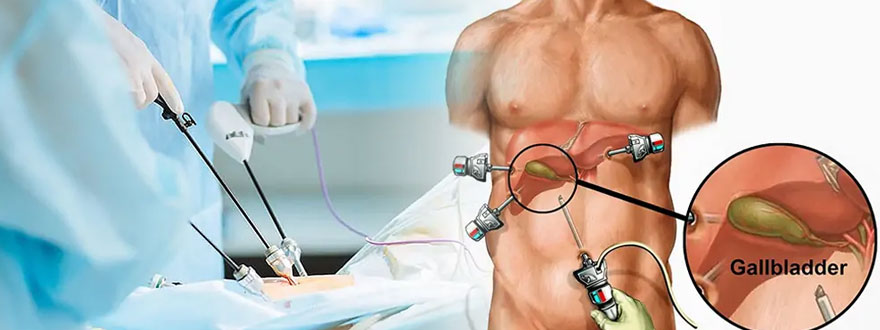
Gall Bladder Surgery
Gallbladder surgery, also known as cholecystectomy, is a common surgical procedure performed to remove the gallbladder. The gallbladder is a small organ located beneath the liver, which stores bile produced by the liver.
Here's an overview of gallbladder surgery:
Indications:
- Gallbladder surgery is typically recommended for individuals with symptomatic gallbladder disease, most commonly due to gallstones. Gallstones are solid particles that form in the gallbladder and can cause symptoms such as abdominal pain, nausea, vomiting, and jaundice.
- The decision to undergo gallbladder surgery is based on factors such as the frequency and severity of symptoms, the risk of complications such as gallbladder inflammation (cholecystitis) or gallstone pancreatitis, and the individual's overall health and preferences.
Preparation:
- Before surgery, the patient may undergo tests such as ultrasound, CT scan, or MRI to confirm the diagnosis of gallbladder disease and assess the size and location of gallstones.
- The patient may be advised to stop taking certain medications, including blood thinners, in the days leading up to the surgery.
Outcomes:
- Gallbladder surgery is generally effective in relieving symptoms and complications associated with gallbladder disease.
- The success rate of gallbladder surgery is high, with most patients experiencing long-term relief of symptoms and a low risk of recurrence.